
Releasing on May 19th, THE GULF OF LIONS is a stand-alone sequel to acclaimed author Caitlin Shetterly’s PETE AND ALICE IN MAINE. Recovering from the trauma of breast cancer and a mastectomy, Alice takes a once-in-a-lifetime trip across France with her two daughters. During all the years of reading books to her children, Caitlin realized that there were so many stories where the mother was either dead or was dying. So when it came time to start writing THE GULF OF LIONS, she was determined to flip the script on this disconcerting trope. Six months after sending the novel off to her editor, Caitlin received shocking news and turned to her protagonist for some much-needed comfort.
 Some of my coziest memories as a mother are of reading aloud to my two sons: a Saturday morning with my husband serving us breakfast in bed as my younger son and I finish THE LION, THE WITCH AND THE WARDROBE, or the time my older son and I read the final pages of the seventh and final Harry Potter book on a dock on a remote lake in Northern Maine, both of us laughing and crying at the same time. From their age zero on, my boys and I inhaled everything from the Brambly Hedge, Lyle Lyle Crocodile and Alfie books when they were younger to, eventually, WATERSHIP DOWN.
I believe he was in the seventh grade when my older son decided he didn’t want me to read to him anymore. I remember feeling heartbroken but also impressed that he had the chutzpah to just come out with it. But as his decision stuck, I realized that there was so much happening for me, and likely both of us, in those reading marathons, so letting go was hard. Thank goodness I had a younger child coming up the ranks: I could still perform all the British characters in OVER SEA, UNDER STONE one more time, I could cry once more while reading THE INCREDIBLE JOURNEY.
But if I'm honest, there was one thing that started to chafe at me during all those years of reading. I'd noticed that in many, many books, the mother was often disconcertingly dead or dying. My sons liked to tease me about it. “Oh here comes another dead mother,” I'd announce. They would chuckle and say something like, “Lucky kid, no mom!” Then we'd forge ahead into THE SECRET GARDEN, THE WOLVES OF WILLOUGHBY CHASE or even CHARLOTTE’S WEB --- the most perfect book ever written and also the most devastatingly heartbreaking book ever written.
Over time, I was becoming a little tired of this trope (and I have a feeling it made my sons uneasy, too).
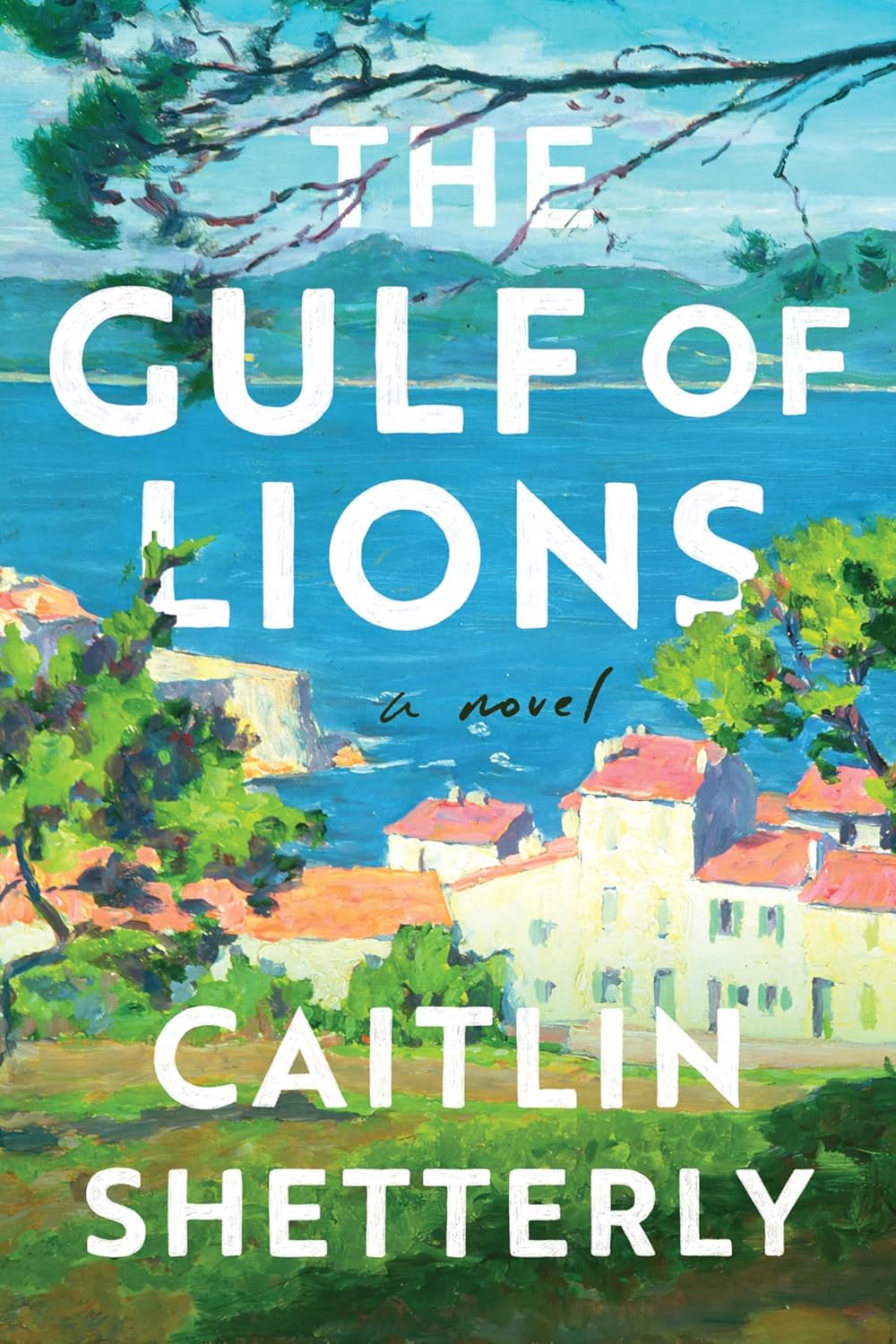 So when I started my latest novel, THE GULF OF LIONS, I found myself thinking back on movies and shows I'd watched as an adult, like Terms of Endearment, “The Big C” and, more recently, Dying for Sex. I thought about the newer adult novels, too. I realized that no matter where I looked, it seemed that when there's a mother dying from anything --- but especially the most popular mode of death, breast cancer --- she's terminal.
This didn’t make sense to me. I Googled it and found that the data doesn't support it. Many more women actually survive than die from breast cancer. About four million women are currently surviving breast cancer, compared to around 40,000 who will die from it. So, in the fall of 2023, I set out to write a book about a mother of two girls named Alice who not only survives breast cancer but thrives --- if messily, clumsily and full of flaws. (My own grandmother had died from breast cancer when I was three. So I also had a personal reason for changing the narrative.)
As I wrote, I asked myself: What would a woman who's busy living her "one wild and precious life" go do? My answer came while traveling across France with my husband and sons: Obviously, she'll go to France. Once I had that, the story poured out of me: France, the wine and food, the cafés and sunlight, the Pyrenees and Mediterranean, Alice's fear giving way to joy. It was all so vivid, so tactile. I felt good when I sent the book off in the fall of 2024.
Six months later, it was a cold spring morning in 2025 when a nurse practitioner called me to deliver the news: I had the exact same cancer, in the exact same breast, that I had given my narrator, Alice.
At that moment, so many terrible things were happening in America and across the globe that my cancer felt like a mere footnote.
But as the week wore on, the undeniable shock of it, the shattered division between myself and my main character --- well, I had never experienced anything like that before. It seemed like the only person who could truly understand what I was going through was Alice, my fictional friend.
I have long believed, and told my sons, that we can find our best friends in books. If the author has done their job correctly, stories can make us all feel less alone and deeply validated.
Over last summer, as I went through radiation and began Tamoxifen, I found myself thinking about my own character, Alice. If she could rise up like a phoenix and seize her life, then so could I, I told myself. I needed to get busy at the surviving part for as long as I had.
I wrote THE GULF OF LIONS for all the moms who are enduring all kinds of small and large trials; all the moms who see themselves represented as ill or dying when they read aloud to their kids; all the moms who find their doppelgängers dying when they put on Netflix after their kids are in bed. I wrote it to say: “I see you, you're still here. You are not a footnote in a story. You are the story.”

