
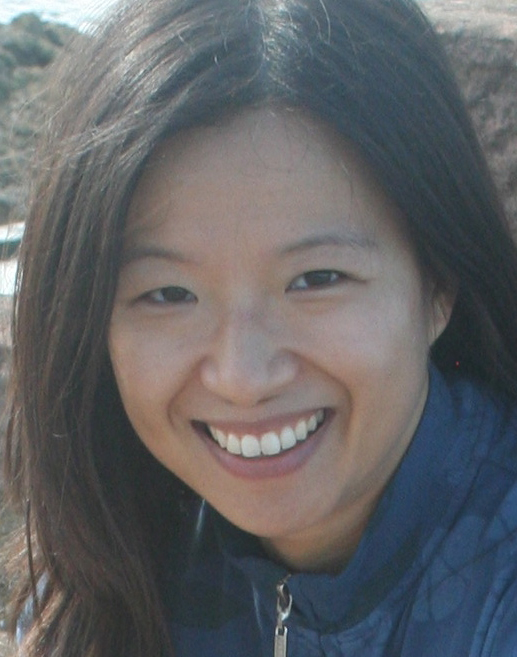
Also, make sure to check out her "If I Were A Spy..." contest, where three lucky readers can win copies of the series' first installment, A SPY IN THE HOUSE, plus t-shirts and a mystery prize! You can read more about the giveaway at Ying's website, here.
Time for a quiz! It’s dinnertime. Your plate holds both foods you like and foods you feel lukewarm about. You start by:
a) Eating the thing you like least, and saving the best for last.
b) Eating your favourite; you’ll deal with the other stuff later, and maybe you’ll be too full to bother with it anyway.
c) Considering how hungry you are, tasting a little of each food in case your position towards it has changed, and planning your meal accordingly.
“Yeah, yeah,” you say. “I thought this was a book blog.” Well, I think your approach to mealtimes says a lot about your writing personality.

If you chose A: you’re a classic plotter. You find the core of your story, tease out the variouscomplications and sub-plots, structure the plot, and do your research up front. You are never surprised by who the villain might be. Your characters never disobey your will; they are your creations, and they take orders from you, General. You have a preferred way of writing --- from beginning to end, perhaps, or key scenes first --- and stick to it. You meet our deadlines. The toughest part of writing for you may be actually getting words on the page, since you’ve already imagined your scenes and relationships so fully.
If you chose B: you’re a carefree plunger. Inspired by a moment, an idea, a line in a song, you dive in and write. When your words flow, they’re a deluge; when you’re blocked, it’s the Gobi Desert. Your plot goes in unexpected directions, some of which are brilliant and some of which just need to be scrapped. Your characters will develop traits, histories, and even sidekicks that come as a surprise to you. You tend to write the best parts first, and find yourself stuck with all the bridges at the end. Your greatest challenge in writing is pulling all your lovely moments into a consistent, coherent whole.
If you chose C: you are a cautious strategizer. It’s refreshing to start anew each time, and you bring few, if any, assumptions to your new project. You spend time weighing the possibilities, and may try a few things before backing away. This is a wonderful way to write, when it works, but it can also be extremely frustrating and time-consuming. Your characters are vivid in your mind, but their motivations might change. The emphasis of the book may change, although your research is unlikely to be wasted. The hardest thing for you is charting your course and sticking to it.
For those of you who’ve read A SPY IN THE HOUSE, can you guess which type of writer I am? And please tell me, because I’m curious: what kind of writer are you?
-- Y. S. Lee

