Nathaniel Philbrick

Biography

Nathaniel Philbrick

Nathaniel Philbrick is the author of such books as IN THE HEART OF THE SEA, winner of the National Book Award; MAYFLOWER, finalist for the Pulitzer Prize; VALIANT AMBITION, winner of the George Washington Prize; BUNKER HILL, winner of the New England Book Award; TRAVELS WITH GEORGE; AWAY OFF SHORE; SECOND WIND; SEA OF GLORY; and THE LAST STAND.

Nathaniel Philbrick
Books by Nathaniel Philbrick

by Nathaniel Philbrick - History, Nonfiction

In January 1848, a carpenter spotted flecks of gold in a shallow stream at Sutter’s Mill in California, triggering the greatest voluntary migration in U.S. history, as hundreds of thousands raced west in pursuit of sudden wealth, reinvention and power. In THE RUSH, Nathaniel Philbrick transforms the Gold Rush from a tale of sudden riches into the origin story of America’s modern contradictions --- capital consolidated at dizzying speed, democracy in thrall to private power, xenophobia weaponized in the name of liberty --- and a stubborn belief in the American experiment that refuses to die. This is the story of a nation tearing at the seams and a republic tested by its own ideals.

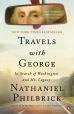
by Nathaniel Philbrick - History, Memoir, Nonfiction, Travel

When George Washington became president in 1789, the United States of America was still a loose and quarrelsome confederation and a tentative political experiment. Washington undertook a tour of the ex-colonies to talk to ordinary citizens about his new government, and to imbue in them the idea of being one thing --- Americans. In the fall of 2018, Nathaniel Philbrick embarked on his own journey into what Washington called "the infant woody country" to see for himself what America had become in the 229 years since. Writing in a thoughtful first person about his own adventures with his wife Melissa and their dog Dora, Philbrick follows Washington's presidential excursions.

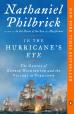
by Nathaniel Philbrick - History, Nonfiction

In the fall of 1780, after five frustrating years of war, George Washington had come to realize that the only way to defeat the British Empire was with the help of the French navy. But as he had learned after two years of trying, coordinating his army's movements with those of a fleet of warships based thousands of miles away was next to impossible. And then, on September 5, 1781, the impossible happened. Recognized today as one of the most important naval engagements in the history of the world, the Battle of the Chesapeake --- fought without a single American ship --- made the subsequent victory of the Americans at Yorktown a virtual inevitability.

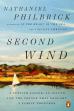
by Nathaniel Philbrick - Memoir, Nonfiction, Sports

In the spring of 1992, Nat Philbrick was in his late 30s, living with his family on Nantucket, feeling stranded and longing for that thrill of victory he once felt after winning a national sailing championship in his youth. Was it a midlife crisis? It was certainly a watershed for the journalist-turned-stay-at-home dad, who impulsively decided to throw his hat into the ring, or water, again. With the bemused approval of his wife and children, Philbrick used the off-season on the island as his solitary training ground. On ponds, bays, rivers, and finally at the championship on a lake in the heartland of America, he sailed through storms and memories, racing for the prize, but finding something unexpected about himself instead.

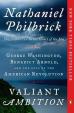
by Nathaniel Philbrick - History, Nonfiction

In September 1776, the vulnerable Continental Army under an unsure George Washington evacuates New York after a devastating defeat by the British Army. Three weeks later, Benedict Arnold miraculously succeeds in postponing the British naval advance down Lake Champlain that might have ended the war. Four years later, Washington has vanquished his demons and Arnold has fled to the enemy after a foiled attempt to surrender the American fortress at West Point to the British. After four years of war, America is forced to realize that the real threat to its liberties might not come from without but from within.

by Nathaniel Philbrick - History, Nonfiction

Nathaniel Philbrick brings a fresh perspective to the story of the Boston battle that ignited the American Revolution. He finds new characters, and new facets to familiar ones. The real work of choreographing rebellion falls to a 33-year-old physician named Joseph Warren, who emerges as the on-the-ground leader of the Patriot cause and is fated to die at Bunker Hill.

by Nathaniel Philbrick - History, Literary Criticism, Nonfiction

Nathaniel Philbrick skillfully navigates Herman Melville's world and illuminates MOBY-DICK's humor and unforgettable characters --- finding the thread that binds Ishmael and Ahab to our own time and, indeed, to all times. 

written by Nathaniel Philbrick, read by Edward Herrmann - History, Nonfiction

The ordeal of the whaleship Essex was an event as mythic in the 19th century as the sinking of the Titanic was in the 20th. In 1819, the Essex left Nantucket for the South Pacific with 20 crew members aboard. In the middle of the South Pacific the ship was rammed and sunk by an angry sperm whale. The crew drifted for more than 90 days in three tiny whaleboats, succumbing to weather, hunger, disease and ultimately turning to drastic measures in the fight for survival. Nathaniel Philbrick uses little-known documents to reveal the chilling events surrounding this epic maritime disaster.

by Nathaniel Philbrick - History, Nonfiction

The ordeal of the whaleship Essex was an event as mythic in the nineteenth century as the sinking of the Titanic was in the twentieth. In 1819, the Essex left Nantucket for the South Pacific with twenty crew members aboard. In the middle of the South Pacific the ship was rammed and sunk by an angry sperm whale. The crew drifted for more than ninety days in three tiny whaleboats, succumbing to weather, hunger, disease, and ultimately turning to drastic measures in the fight for survival. An intense and mesmerizing read, In the Heart of the Sea is a monumental work of history forever placing the Essex tragedy in the American historical canon.