Megan Giddings

Biography

Megan Giddings

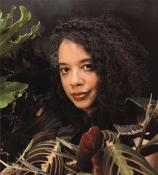
Megan Giddings is an assistant professor at the University of Minnesota. Her novel, LAKEWOOD, was one of New York’s 10 best books of 2020, one of NPR’s best books of 2020, a Michigan Notable book for 2021, a nominee for two NAACP Image Awards, and a finalist for a 2020 Los Angeles Times Book Prize in The Ray Bradbury Prize for Science Fiction, Fantasy, and Speculative Fiction category. Her second novel, THE WOMEN COULD FLY, was named one of The Washington Post’s Best Science Fiction and Fantasy novels of 2022, one of Vulture’s Best Fantasy books of 2022, and was a New York Times Editors’ Choice. Her work has received support from the Barbara Deming Foundation and Hedgebrook. She lives in Minneapolis, Minnesota.

Megan Giddings

Books by Megan Giddings

by Megan Giddings - Fiction, Women's Fiction

On an ordinary summer morning, the world is changed by the appearance of seven mysterious doors that seemingly lead to another world. People are, of course, mesmerized and intrigued: A new dimension filled with beauty and resources beckons them to step into an adventure. But, perhaps inevitably, people soon learn that what looks like paradise may very well be filled with danger. Ayanna and Olivia, two Black midwestern teens --- and twin sisters --- have different ideas of what may lie in the world beyond. But will their personal bond endure such wanton exploration? When one of them goes missing, will the other find solace on her own? And will she uncover the circumstances of what truly happened to her once constant companion and best friend?

by Megan Giddings - Dystopian, Fiction, Women's Fiction

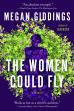
Josephine Thomas has heard every conceivable theory about her mother's disappearance. The most worrying charge is that she was a witch. In a world where witches are real, peculiar behavior raises suspicions, and a woman --- especially a Black woman --- can find herself on trial for witchcraft. Fourteen years have passed, and Jo is finally ready to let go of the past. Yet her future is in doubt. The State mandates that all women marry by the age of 30 --- or enroll in a registry that allows them to be monitored, effectively forfeiting their autonomy. At 28, Jo is ambivalent about marriage. When she’s offered the opportunity to honor one last request from her mother's will, Jo leaves her regular life to feel connected to her one last time.