Jessica Francis Kane

Biography

Jessica Francis Kane

Jessica Francis Kane is the author of FONSECA, the national bestseller RULES FOR VISITING, THIS CLOSE, THE REPORT and BENDING HEAVEN. THIS CLOSE was longlisted for The Story Prize, THE REPORT was a finalist for The Center for Fiction First Novel Prize, and RULES FOR VISITING was longlisted for the Joyce Carol Oates Prize. Her stories and essays have appeared in many publications, including Harper’s Magazine, The New York Times, Slate, Virginia Quarterly Review, McSweeney’s, ZYZZYVA and Granta. She lives in New York City and Connecticut.

Jessica Francis Kane
Books by Jessica Francis Kane

by Jessica Francis Kane - Fiction, Historical Fiction, Women's Fiction

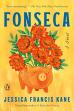
Penelope Fitzgerald’s charming husband is a struggling alcoholic, the London literary magazine they edit together is on the brink of bankruptcy, and she is pregnant with their third child. When she receives a mysterious letter dangling the possibility of an inheritance, Penelope sees a creative and practical lifeline that might save them. Based on Fitzgerald’s momentous 1952 trip to northern Mexico before she was famous, Jessica Francis Kane’s brilliantly imagined FONSECA is both a treasure hunt and a love story.

by Jessica Francis Kane - Fiction, Women's Fiction

Dry, witty and unapologetic, May Attaway loves literature and her work as a botanist for the university in her hometown. More at home with plants than people, May begins to suspect that she isn’t very good at friendship and wonders if it’s possible to improve with practice. Granted some leave from her job, she sets out on a journey to spend time with four long-neglected friends. RULES FOR VISITING is the story of a search for friendship in the digital age, a singular look at the way we stay in touch. While May travels, she studies her friends’ lives and begins to confront the pain of her own.

by Jessica Francis Kane - Fiction, Historical Fiction

On a March night in 1943, on the steps of a London Tube station, 173 people die in a crowd seeking shelter from what seemed to be another air raid. When the devastated neighborhood demands an inquiry, the job falls to magistrate Laurence Dunne. As Dunne investigates, he finds the truth to be precarious, even damaging. When he is forced to reflect on his report several decades later, he must consider whether the course he chose was the right one.