Features

End-of-the-Year Contest 2025

We are thrilled to announce our End-of-the-Year contest featuring Carol Fitzgerald's Bookreporter.com Bets On picks from 2025. One Grand Prize winner will be awarded all 42 books, while seven other readers will receive six of these titles.

To enter, all you have to do is fill out the form below by Monday, January 12th at noon ET.

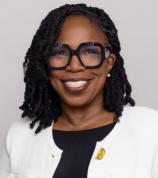
Victoria Christopher Murray, author of Harlem Rhapsody

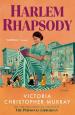
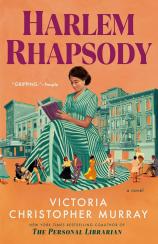
In 1919, high school teacher Jessie Redmon Fauset has been named the literary editor of The Crisis. The first Black woman to hold this position at a preeminent Negro magazine, Jessie is poised to achieve literary greatness. But she holds a secret that jeopardizes it all. W. E. B. Du Bois, the founder of The Crisis, is not only Jessie’s boss, he’s her lover. And neither his wife nor their 14-year age difference can keep the two apart. Amidst rumors of their tumultuous affair, Jessie is determined to prove herself. She attacks the challenge of discovering young writers with fervor. Under her leadership, The Crisis thrives. When her first novel is released to great acclaim, it’s clear that Jessie is at the heart of a renaissance in Black music, theater and the arts. But as she strives to preserve her legacy, she’ll discover the high cost of her unparalleled success.

Harlem Rhapsody by Victoria Christopher Murray

May 2025

I confess that I knew little about the Harlem Renaissance before reading HARLEM RHAPSODY by Victoria Christopher Murray. I listened to the audiobook, which is narrated by Robin Miles. Each time I tuned into it, I found myself ensconced in the time period.

Victoria includes wonderful details not just about the writing that happened at The Crisis, the NAACP’s literary magazine, but also about the music, fashion and social scene that filled the times. The novel is set in 1920s Harlem, during the days of Prohibition, as well as enlightenment in the Black community. When I talked to Victoria about the book, she was quick to note that these strides for Black people had happened just 50 years after the end of slavery.