Good Company
Review
Good Company



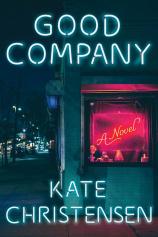
Kate Christensen's latest novel, GOOD COMPANY, is not an easy read, but it is a vital one. It engages head-on with some thorny topics and features a deeply flawed protagonist contending with the anxieties of being a female writer in late middle age.
The book is autofiction (of a sort) as its narrator, Julia Heimdahl, shares many biographical details with the author. Several of the characters Christensen brings to life on the page have real-life antecedents, albeit with different names.
"[GOOD COMPANY is] a vital read for those who like introspective fiction, particularly when it interrogates the lives and psyches of complicated women."
Key among them is the writer Ellis Blackwell, a biographer “semi-famous for charting the lives of several controversial twentieth-century male poets.” His latest book, however, is a memoir about his complicated childhood. He and Julia have been placed together on a panel entitled “Family Trouble” at a book festival hosted by Julia's alma mater, a small liberal arts college in the Pacific Northwest. Julia also is there to talk about her memoir, Don't Let It Bring You Down: A Compendium of Complicated Relationships.
When Julia and Ellis meet the night before their on-stage appearance, Julia shares that she has selected 11 different excerpts from her memoir to read at various events promoting the book. And indeed, GOOD COMPANY intersperses them into the present-tense account of her book festival weekend.
Julia finds Ellis both intriguing and somehow off-putting in a way that she can't quite put her finger on, but it grows more concrete as the weekend proceeds. It turns out that Ellis is bracing himself for some damning allegations against him that are about to become public, and he sees this weekend as a last hurrah of sorts. Julia is first puzzled and then disgusted by Ellis' demeanor, but that's only one of the many complicated relationships that surface over the course of the weekend.
As is perhaps inevitable for the writer of a confessional memoir, Julia apparently has miffed some people who found themselves in its pages. They include a woman whom Julia had a crush on in college, a former mentor, and a one-time frenemy from her Brooklyn years. These days, Julia is happily living with a musician 20 years her junior. But her memoir --- as well as reconnecting with these figures from her past --- brings up some unpleasant memories. These include recollections of her own infidelities during the death throes of her first marriage, as well as the recurring history of violence against women, both toward herself and her friends and acquaintances.
These details from the memoir are also tangled up in Julia's feelings about herself now. She is a woman in late middle age who fears her waning relevance in the literary world and has been confronted with allegations of her own internalized misogyny, especially as it's expressed toward her fellow female writers.
GOOD COMPANY probably will be most appreciated by those who enjoy reading about the publishing industry or those in creative and intellectual professions. But it's also a vital read for those who like introspective fiction, particularly when it interrogates the lives and psyches of complicated women.
Reviewed by Norah Piehl on June 26, 2026


Good Company
- Publication Date: June 16, 2026
- Genres: Fiction, Women's Fiction
- Hardcover: 256 pages
- Publisher: Harper
- ISBN-10: 0063464314
- ISBN-13: 9780063464315